Living with pets and a clean house: a realistic guide
Shedding, muddy paws and the occasional accident. How pet owners keep a home fresh without a daily scrub.
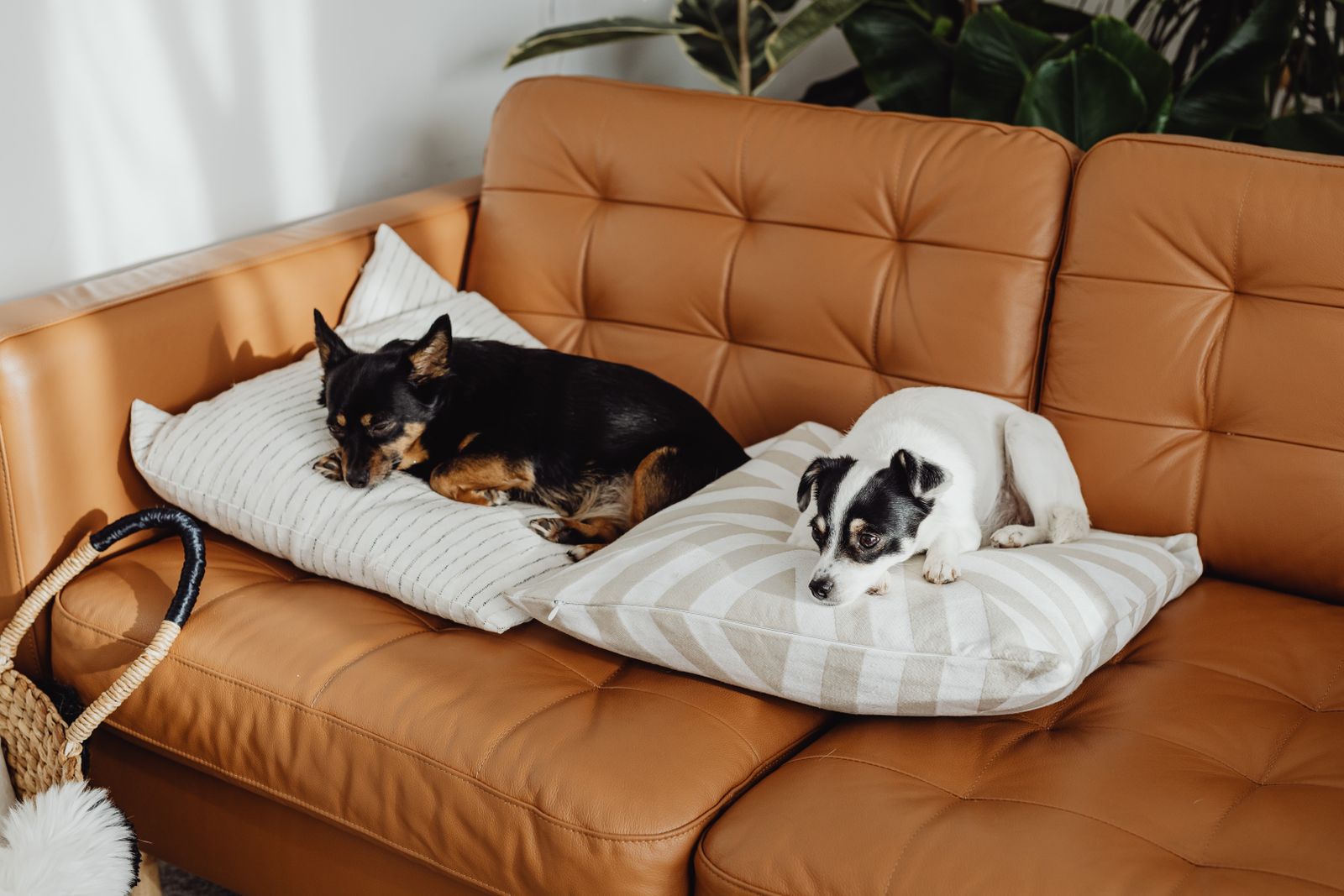
About two out of three homes we clean have at least one pet. Our crews know every dog's name and exactly which cats hide under which beds. We also know that a clean home and a happy pet are not mutually exclusive. It just takes systems that work with your animals instead of against them.
This guide collects the habits and tools our crews see working in real Austin households, from single-cat apartments in Mueller to three-dog homes in Cedar Park.
Tackle hair where it starts
The most effective way to reduce pet hair on floors and furniture is to remove it from the animal before it falls. Brushing a double-coated dog for ten minutes three times a week can cut visible shedding in half, especially during the spring coat blowout. Do it outdoors or on a hard floor you can sweep immediately.
Regular baths help too, but do not overdo it. Most dogs do well with a bath every four to six weeks. Cats rarely need baths at all if they are brushed.
Choose the right tools
- A vacuum with a sealed HEPA filter and a motorized pet brush for upholstery.
- Rubber gloves or a rubber squeegee, which pull hair off sofas better than lint rollers.
- Washable, machine-friendly throws on the furniture your pets love most.
- An enzyme cleaner for accidents. Regular cleaners mask odor but do not break it down.
- Doormats inside and outside every door your dog uses.
Build a paw station
Muddy paws are a big part of why pet homes feel dirty. Keep a towel and a shallow bin of water by the back door during rainy weeks. A thirty-second paw wipe prevents a trail of prints across the kitchen. For dogs who hate having their feet touched, a silicone paw washer cup is surprisingly effective.
Handle accidents the right way
When an accident happens on carpet, resist the urge to scrub. Scrubbing pushes urine deeper into the padding. Instead, blot up as much liquid as possible with paper towels, pressing firmly. Apply an enzyme cleaner generously so it reaches as deep as the urine did, then let it sit for the time on the label before blotting again.
Avoid ammonia-based cleaners. Urine contains ammonia, and the smell can encourage pets to mark the same spot again. If odors return on humid days, the padding underneath is likely affected and a professional hot-water extraction is the best fix.
Keep the air fresh
Litter boxes and dog beds are the two biggest odor sources in most pet homes. Scoop litter daily and replace it fully every one to two weeks. Wash dog bed covers every week or two in hot water with an extra rinse. Change HVAC filters every 60 days instead of every 90 when you have shedding pets.
A weekly routine that works
Here is the rhythm we recommend to busy pet owners who want a home that feels clean without cleaning every day:
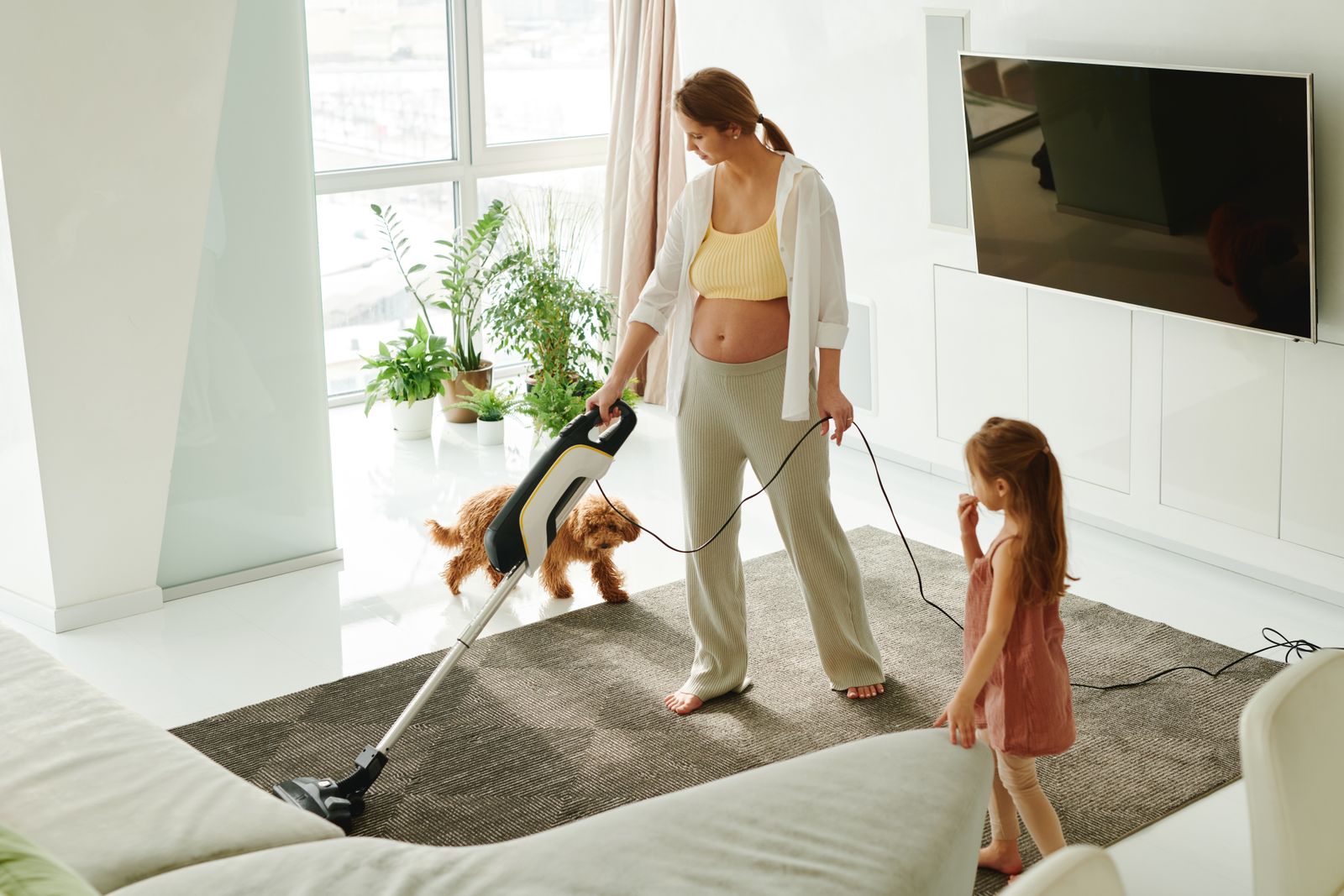
- Daily: quick vacuum of the main living area and a paw wipe after walks.
- Twice a week: vacuum upholstery and wash food and water bowls in hot soapy water.
- Weekly: wash pet bedding and throws, mop hard floors, and wipe nose prints off glass doors.
- Monthly: wash pet toys, clean under furniture and check for hidden accidents with a UV flashlight.
- Twice a year: professional carpet and upholstery cleaning.
Pet-safe products matter
Pets walk on floors that were just cleaned and then lick their paws. Choose products that are safe once dry and avoid leaving residue. Essential oils like tea tree, eucalyptus and pine can be harmful to cats in particular, so check labels carefully. Our crews use plant-based, fragrance-free products in pet homes and always let floors dry before pets return to the room.
Living with animals means accepting a little fur now and then. With the right habits, it does not have to mean a home that smells like a kennel or a sofa you would rather guests did not sit on.
Want help with this? Our carpet & upholstery cleaning service covers it, backed by a 24-hour re-clean guarantee.